What Is Architectural Interior Design?
If you have ever tried to renovate a home, you know how quickly design terms start to blur together. Interior design, interior architecture, architectural interior design, styling, it can feel like everyone is speaking the same language with slightly different meanings.
Architectural interior design helps clear that up. It focuses on how a home actually works, the space, structure, light, and the way rooms connect.
Interior design firms like Rivington Marx in Denver work in this space every day. The approach lives between architecture and interior design and shapes the inside of a house long before furniture is chosen.
Once you see what architectural interior design truly involves, it becomes easy to understand why it makes such a difference in major renovations and custom homes.
A Simple Definition of Architectural Interior Design
Architectural interior design is the discipline that shapes the structure, flow, and experience of a home from the inside. It involves space planning, built elements, lighting, and materials so the interior feels coherent, functional, and aligned with how people live.
In simple terms, it is the work that affects the bones of the home, not just the decorative layer on top. Architectural interior design operates at the level of walls, ceilings, openings, millwork, lighting plans, and material choices. It guides how a home feels before a single piece of furniture is placed.
It also sits in a thoughtful space between architecture and interior design. The architect establishes the overall form, while the architectural interior designer refines how you move through rooms, how light enters, where storage belongs, and how the interior unfolds as an experience.
When both disciplines work together, the result is a home that feels balanced, intentional, and deeply personal.
How Architectural Interior Design Differs from Interior Design
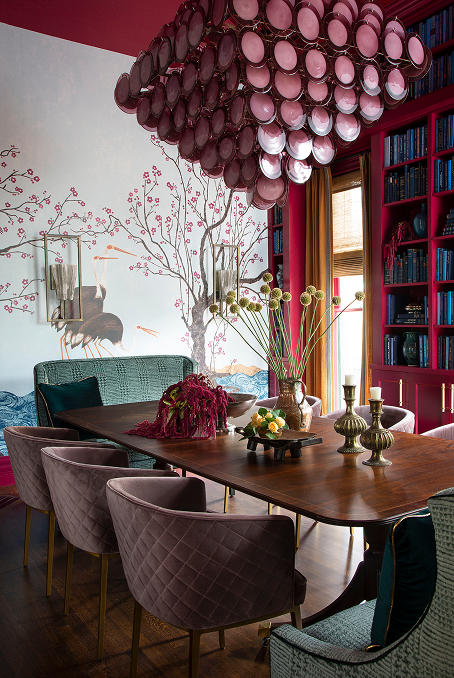
Homeowners often mix up interior design with architectural interior design, yet they address different layers of the home. Interior design enhances a room that already functions well. Architectural interior design shapes the structure, flow, and experience of the room itself.
What Interior Design Typically Covers
Interior design focuses on the elements that sit on top of the architecture.
It usually includes:
- Furniture selection and layouts
- Textiles such as rugs, bedding, drapery alternatives, and upholstery
- Art, objects, and accessories
- Color palettes and surface styling
- Cosmetic updates that refresh a room when the architectural framework already works
What Architectural Interior Design Adds
Architectural interior design goes deeper. It looks at the parts of the home that have to be drawn, built, or reworked.
It often includes:
- Rethinking circulation so rooms connect naturally.
- Opening or relocating walls to improve flow.
- Designing kitchens, bathrooms, mudrooms, and dressing rooms as integrated architectural elements.
- Considering ceilings, doorways, and volumes as part of the design language.
- Planning lighting in layers that support the architecture rather than fight it.
This level of work asks fundamental questions. Instead of “What sofa looks good here,” it asks, “Should this room even be arranged this way,” or “Would this home feel better if this wall moved.” It shapes how a space lives long before furnishings or styling enter the conversation.
Key Elements of Architectural Interior Design
Space Planning and Circulation
Space planning is the foundation of architectural interior design. It determines how rooms relate to one another and how people actually move through the home.
Good circulation creates an easy rhythm between the kitchen, dining, living, and entry spaces while also protecting privacy in bedrooms and work areas.
The goal is to align the floor plan with daily life so the home supports entertaining, working, resting, or gathering without friction.
Volume, Light, and Proportion
Architectural interior design also shapes the feeling of volume and proportion. Ceiling heights, beams, soffits, and transitions influence how a room holds space and how light moves within it.
Window placement is often coordinated with the architect to frame views and invite natural light where it matters most. Every decision aims to balance openness with intimacy so the home feels grounded and comfortable rather than cavernous or flat.
Built-Ins and Architectural Millwork
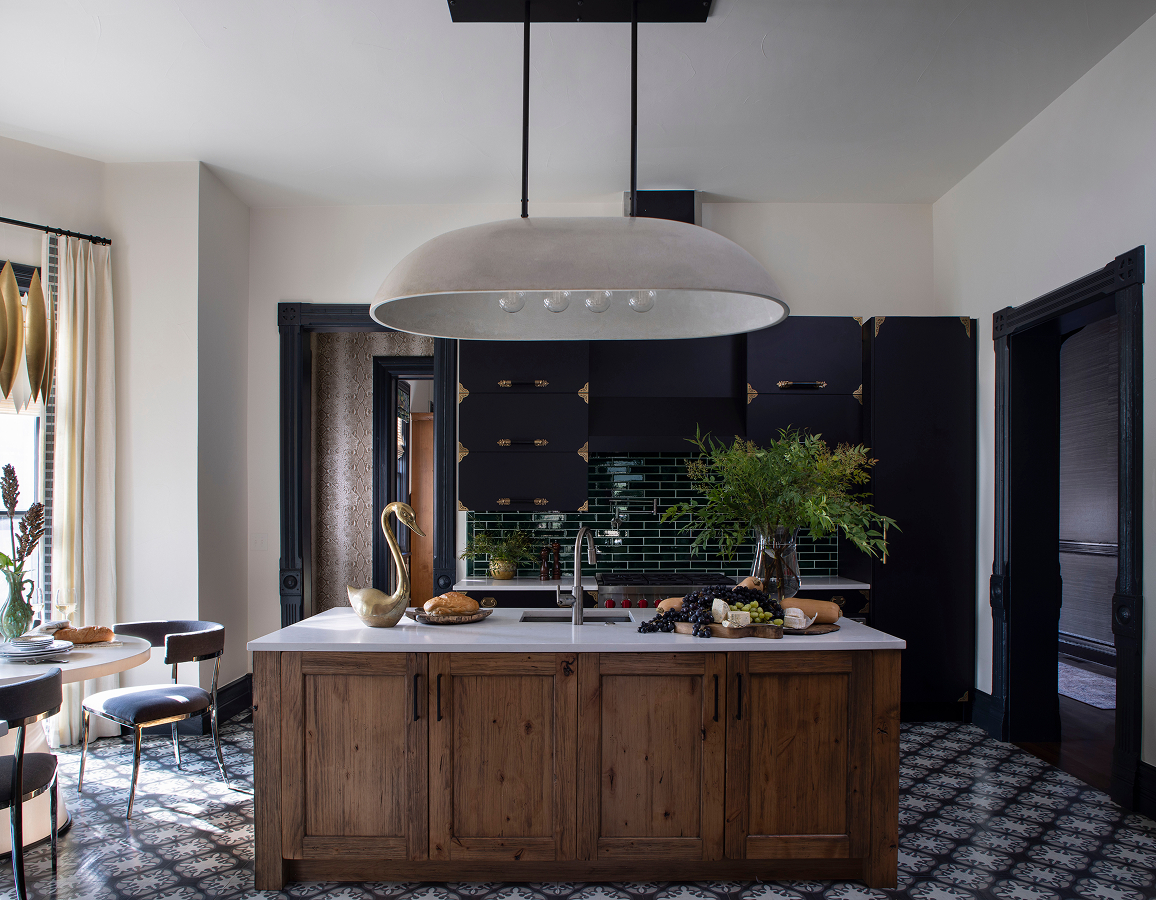
Built-ins are treated as part of the architecture, never as an afterthought. Kitchens, dressing rooms, mudrooms, libraries, bars, and media walls are drawn with the same care as a piece of fine furniture.
This level of millwork asks for strong craftsmanship, thoughtful joinery, and proportion that feels natural to the home. When designed well, these elements add order and beauty while supporting everyday routines.
Materiality and Finishes
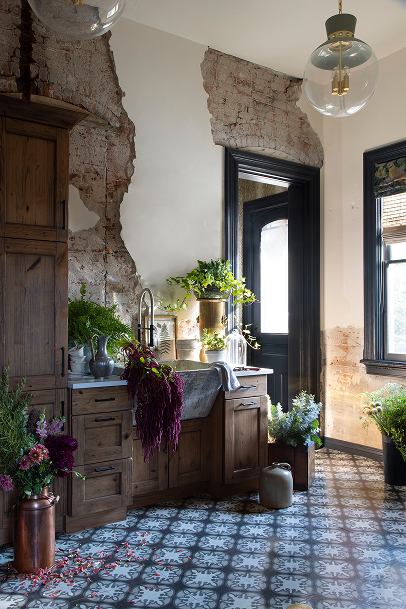
Materials set the emotional tone of the home. Architectural interior design considers how stone, wood, metal, plaster, and other natural finishes will age over time.
The goal is a cohesive material story that travels from room to room without feeling repetitive. Rather than chasing trends, it leans toward tactile, timeless materials that become richer with age and use.
Integrated Lighting and Technical Layers
Lighting is planned alongside architecture and millwork rather than added at the end. Layered lighting, from ambient to task to accent, shapes how the home feels morning to night.
Technical systems like mechanical and electrical are coordinated early so the final home looks seamless. This avoids awkward placements or visible compromises, and it ensures that the lighting truly supports the architecture.
Where Architectural Interior Design Shows Up: Renovations vs. New Builds
Architectural interior design plays a role in both renovations and new construction, but the work looks different depending on the project.
Whole-Home Renovations
Renovations often begin with solving frustrations that homeowners have lived with for years. That might mean dark rooms, chopped up layouts, or circulation that never made sense. Architectural interior design can rework the plan, so the home finally functions the way it should.
This might include opening a kitchen to the living area, relocating an entry, or removing visual clutter to create a calmer and more logical flow.
Even in older homes, the goal is to respect existing character while giving the interior new clarity. A thoughtful renovation keeps the spirit of the home intact while making it far more comfortable and intuitive.
New Construction and Custom Homes
In new builds, architectural interior designers join the team early. They work alongside the architect and builder to ensure the interior experience is considered from the very first drawings.
This includes planning kitchens and baths, shaping built-in storage, determining where stairs and openings belong, and coordinating views so rooms feel connected to the landscape.
Early involvement reduces costly changes during construction and leads to a more cohesive final result. It helps create a home where the architecture, interior design, and lifestyle all work together from day one.
How Architectural Interior Designers Work with Architects and Builders
Architectural interior design works alongside architecture rather than competing with it. The best results come from collaboration, where each discipline strengthens the other. Interior architecture and design firms like Rivington Marx help translate a client’s lifestyle into the built environment while respecting the architect’s overall vision and the builder’s craft.
This partnership usually includes:
- Early involvement during schematic and design development.
- Ongoing coordination throughout construction documentation.
- Reviewing drawings and shop drawings to protect design intent.
- Regular communication with the contractor as site conditions evolve.
When the team works as one, the home feels cohesive from foundation to finishing touches, with every decision rooted in how the client wants to live.
What to Expect When You Hire a Studio Focused on Architectural Interior Design
Working with an architectural interior design studio is a thoughtful, layered process. It unfolds step by step, with the architecture of the interior taking priority before furnishings or styling enter the conversation.
-
A Deep Discovery Phase
The process begins with conversations about how you live. Daily routines, frustrations, aspirations, and long-term goals shape the early ideas. The team studies the site, the light, and the existing architecture to understand what is possible and what needs to evolve.
-
Drawings and Plans Before Furnishings
Floor plans, elevations, millwork drawings, and sometimes 3D views are created before any furniture discussions begin. These drawings go through several rounds of refinement so every structural and functional decision is resolved with clarity.
-
Decisions That Influence Construction
Many interior decisions affect framing, plumbing, mechanical pathways, and electrical layout. Engaging the design team early avoids costly change orders and helps ensure the final build reflects the original intent without compromise.
-
A Cohesive Journey from Structure to Styling
Once the architectural interior work is set, the same team may guide furnishings, textiles, and art. This continuity allows the home to feel like one calm and coherent idea rather than a collection of separate choices.
Is Architectural Interior Design Right for Your Project?
Architectural interior design is most helpful when the project calls for more than surface updates. If you need to rethink how your home works, not just how it looks, this discipline brings clarity and lasting value. It is often the right fit when you are planning a major renovation or a ground-up custom build, when the layout or flow feels off, or when craftsmanship and long-term comfort matter as much as aesthetics.
Some clients come to us with homes that already have a strong layout and simply want to refine furnishings, materials, and the emotional feel of their spaces. Others need deeper architectural interior work. Both fall within our scope. The right approach depends on how you want your home to live, function, and support daily life.
Closing Perspective: Bringing It All Together
Architectural interior design shapes the architecture of everyday living. It looks at space, light, proportion, and materiality to build a home that feels thoughtful from the inside out. When these elements work together with intention, the result is a space that feels quiet, grounded, and enduring. It respects the structure, the landscape, and the people who call it home.
If you are planning a renovation or a custom home and want your interior to feel considered at every level, our team at Rivington Marx can guide the process with clarity and care from the very beginning.